Managing your own WordPress security feels practical, especially when you’re running a business on a budget. A free plugin here, a strong password there, and maybe a guide you found online. For many small business owners and freelancers, that seems like enough.
But beneath that sense of control often lies a false sense of security.
DIY protection might catch the obvious threats, but the real danger lies in what you don’t see coming. Hackers don’t wait for you to figure it out. They target common setups, outdated tools, and overlooked vulnerabilities.
This article explores why even the most well-meaning DIY approach can leave you alarmingly exposed and why expert support offers a level of protection that most solo setups simply can’t provide.
The Illusion of Security: Why DIY Isn’t Always Safe

Many small business owners assume that website security is a one-time setup. You install a few plugins, change a couple of settings, and that’s it you’re done. And if nothing seems broken or suspicious, it’s easy to believe the job’s complete.
However, that calm can be misleading.
The pitfalls of DIY security aren’t just in what’s missed it’s in what’s assumed to be working. Free plugins often have limited coverage and can’t alert you when something goes truly wrong behind the scenes. Some attacks don’t cause visible damage straight away. Instead, they quietly harvest data, inject malicious code, or wait to strike when you least expect it.
And for small businesses that depend on their site to stay visible, generate leads, or manage bookings, that kind of breach doesn’t just cause inconvenience it disrupts your reputation.
Security isn’t just about defence it’s about knowing, without guessing, that your website is being looked after properly.
The Limitations of Free Security Plugins
Free security plugins play a role, but they’re not the full solution many assume them to be. Most offer a handful of features basic firewall rules, limited scans, and login protection but they’re often reactive rather than proactive.
The problem? Real threats don’t follow a fixed schedule.
Hackers exploit gaps as they open, and without live monitoring or deeper access to your hosting environment, most free tools won’t even detect when something’s gone wrong, let alone fix it. They can flag issues, but cleaning up malware or repairing a compromised site usually isn’t part of the package.
What’s often missing:
- Active, real-time monitoring
- Malware removal or clean-up support
- Firewall customisation and intrusion prevention
- Priority alerts and human response when needed
When your business depends on its site running smoothly, knowing someone is watching for trouble is worth more than a plugin quietly running in the background.
Free tools are a start but not a strategy.
Keeping Up with Security Threats Is a Full-Time Job
The world of website security changes fast, much faster than most business owners realise. New vulnerabilities are discovered daily, often affecting popular plugins, themes, or even WordPress itself. These issues aren’t always headline-worthy, but they open doors for automated attacks the moment they appear.
Staying ahead of those threats takes time, knowledge, and constant monitoring. It means reading security advisories, applying patches, testing for compatibility, and knowing how to act if something looks suspicious. For someone already running a business, that’s not just a big ask it’s a separate job entirely.
The challenge isn’t a lack of effort it’s a lack of time and expertise. And without both, small businesses are left with gaps in protection they didn’t even know were there.
That’s why WordPress maintenance services exist to keep watch, apply updates safely, and act quickly when needed. It’s peace of mind without the pressure of learning everything yourself.
What Happens When Something Goes Wrong?

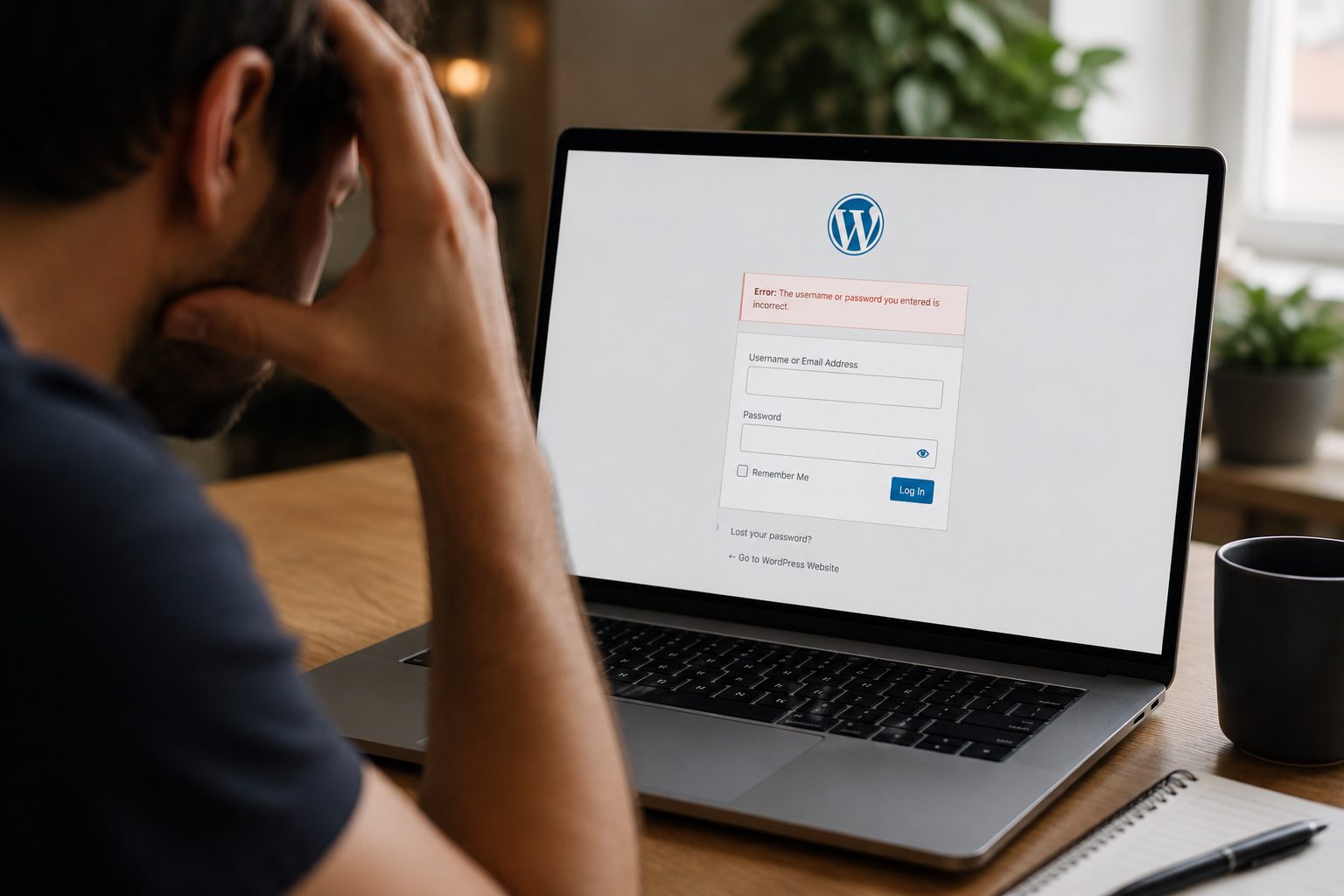
It usually starts small your site slows down, a customer flags a broken page, or Google flashes a “not secure” warning. Then comes the realisation: something’s gone wrong, and it’s not just a glitch.
A hacked or broken WordPress site creates more than a technical headache it interrupts your business. Visitors can’t access your services, enquiries don’t come through, and trust evaporates. Even a few hours offline can mean missed sales, lost leads, and customers turning elsewhere.
For e-commerce or booking-based businesses, the financial hit can be immediate. No site means no sales. And every minute spent trying to fix the issue, often without the right tools, can add to the losses.
It doesn’t take a direct, targeted attack. Most hacks are automated, opportunistic, and designed to exploit sites that aren’t properly protected.
Without support in place, recovery is slower, more stressful, and far more expensive than prevention ever was. What’s really at risk isn’t just your website it’s your business.
The Hidden Costs of DIY Security
On the surface, managing your website security seems like a smart way to save money. A few free tools, a checklist or two, and the odd Google search when something breaks. But over time, DIY becomes a proper faff eating into the hours you should be spending on your actual business.
Security updates don’t arrive on a schedule that suits you. Problems tend to show up when you’re already busy. And when something does go wrong, the process of diagnosing, patching, and hoping it works can be exhausting. It’s not just time-consuming it’s mentally draining.
Every fix, every delay, and every distraction takes your attention away from customers, strategy, and growth. And what started as a money-saving choice often ends up costing far more in lost productivity, missed opportunities, and reactive repair bills.
Keeping your site safe shouldn’t feel like a second job. Your time is better spent on the business, not chasing down vulnerabilities and plugin conflicts.
The Smarter Choice: Professional WordPress Maintenance
A secure, fast, and reliable website isn’t a bonus it’s something your business depends on. And while DIY security might seem fine at first, it often can’t keep up with the demands of a growing business.
We offer professional WordPress maintenance that covers what DIY can’t. We take care of updates, security checks, speed issues, and backup protection so your site runs smoothly, even when things change behind the scenes.
You don’t have to worry about plugin conflicts, downtime, or chasing errors. We handle it quietly and consistently so you can focus on what you do best.
The truth is, your business won’t reach its full potential with a website that’s slow, vulnerable, or left to manage itself.
Fly High Web gives you a solid foundation to grow with confidence. Get started or contact us today, and put your site in safe hands.