For many architecture practices, a website is the first meaningful introduction potential clients have to the business. Before making contact, people want to assess the quality of work, get a sense of how the practice thinks, and decide whether its approach aligns with their project. A successful architecture website supports that decision by presenting information in a clear, calm, and structured way.
Rather than relying on complex features or heavy visual effects, effective architecture websites focus on clarity, organisation, and confidence. Their role is not to overwhelm visitors, but to guide them toward understanding the practice and feeling comfortable taking the next step.
Why A Strong Website Matters For Architecture Practices

Architecture projects involve significant trust, time, and financial commitment. Clients often spend weeks researching before they ever reach out to a practice. During this period, the website becomes a key reference point.
Reliable architecture website support helps practices keep their site accurate, secure, and functioning properly over time. When information stays current, navigation works smoothly, and performance remains consistent, visitors gain confidence that the same level of care will be applied to their project.
Making A Clear First Impression On Potential Clients
Visitors form opinions quickly, often within seconds of landing on a site. If the experience feels cluttered, confusing, or difficult to follow, many will leave without exploring further.
A strong first impression usually comes from simple layouts, straightforward navigation, readable text, and a confident overall presentation. Within moments, visitors should understand what type of practice they are looking at and whether it feels relevant to their needs.
Helping Visitors Quickly Understand What You Do
Architecture practices often work across multiple sectors and project types, which can be difficult for non-specialists to interpret. A successful website explains services clearly using plain language rather than technical terminology.
Visitors should quickly grasp the kinds of sectors the practice operates in, the scale of projects typically handled, and the types of clients supported. Short service summaries and well-structured pages help people determine whether the practice is a suitable fit.
Using the Portfolio to Demonstrate Capability
The portfolio is usually the most visited section of an architecture website. It allows potential clients to see both the quality of work and the thinking behind it.
Clear portfolios tend to organise projects logically, use consistent layouts, and allow visitors to browse easily without feeling overwhelmed. Often, a smaller number of carefully presented projects communicates more effectively than a large collection with minimal explanation.
Project pages are particularly effective when they go beyond visuals and include context. Explaining the brief, outlining challenges, and describing final outcomes helps visitors understand how design decisions translate into real results.
Turning Interest into Enquiries
Potential clients often reach out after recognising work similar to their own goals. A well-structured portfolio naturally supports this process by answering common questions and reducing uncertainty.
When visitors can clearly see how a practice approaches projects and solves problems, they feel more confident initiating contact.
Explaining Your Design Approach Clearly

Design thinking can be difficult for non-architects to interpret. Explaining it in straightforward language helps bridge this gap and builds trust early.
Visitors benefit from understanding how projects begin, how decisions are made throughout the process, and how they will remain involved at each stage. This clarity sets expectations and reduces hesitation before initial conversations.
Clear Navigation and Usability
Navigation plays a major role in how people experience a website. Visitors expect menus to feel familiar and predictable, allowing them to find information without effort.
Most architecture websites work best when they include clearly defined sections such as projects, services, practice information, and contact details. Keeping this structure consistent allows visitors to move through the site confidently, and ongoing maintenance helps prevent broken links or usability issues from appearing over time.
Performance and Speed
Page speed has a strong impact on both user experience and search visibility. Architecture websites often rely heavily on large image files, which can slow performance if not managed carefully.
Fast-loading pages help keep visitors engaged, minimise frustration, and support stronger visibility in search engines. Regular technical upkeep, including a dependable WordPress maintenance service, helps maintain consistent performance across devices.
Balancing Visual Impact with Simplicity
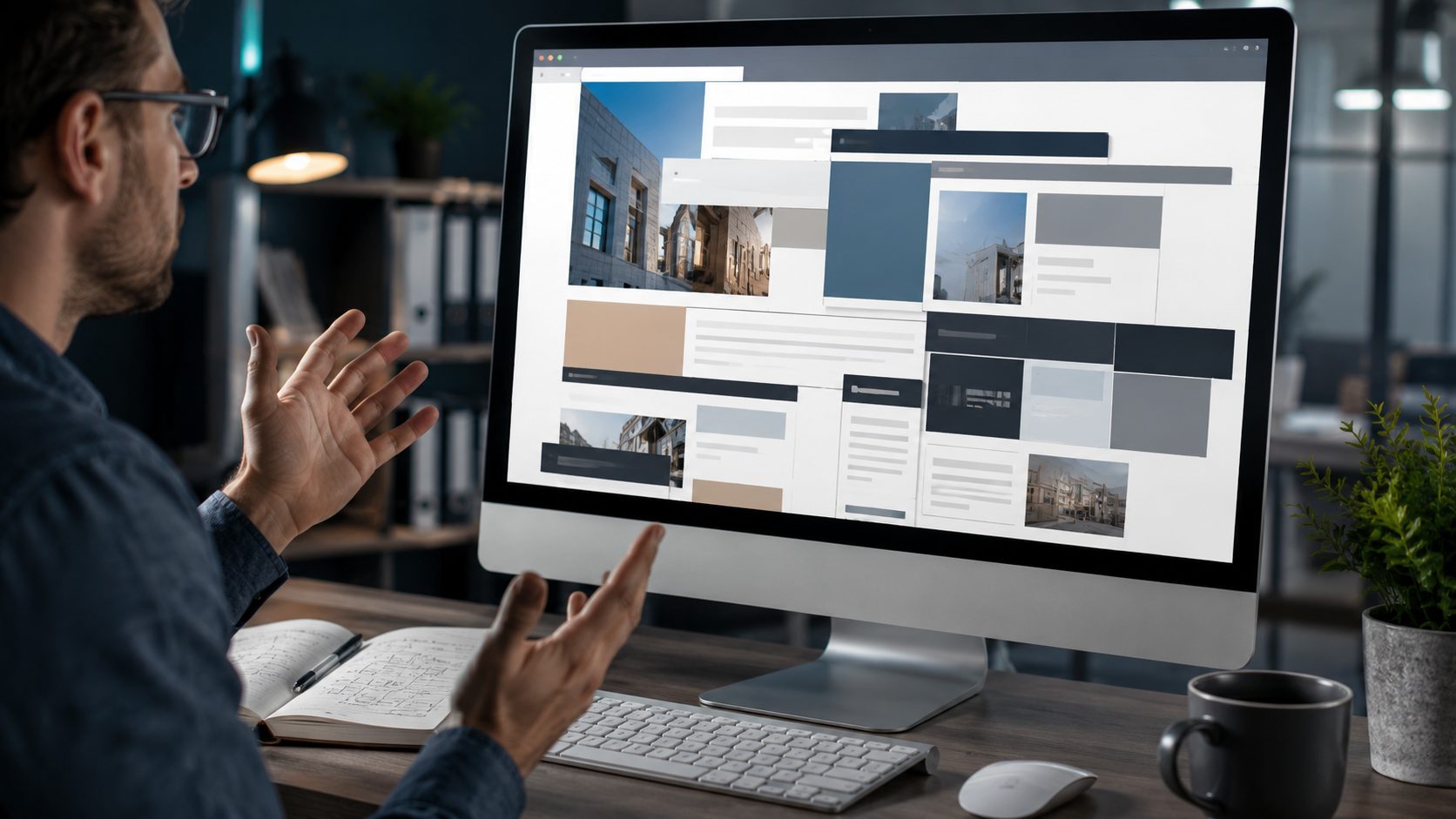
Strong architecture sites rely on visual clarity and restraint. When layouts feel busy or packed with unnecessary elements, attention drifts away from the projects themselves.
Good design uses white space with intention, guides visitors naturally from one section to the next, and keeps the work at the centre of the experience. A calm, organised presentation signals credibility and helps potential clients feel confident in the practice.
A modern, refined appearance tends to inspire far more trust than cluttered pages or inconsistent styling. A site that performs smoothly and looks considered sends a simple message: the same care and expertise will be brought to every client.
Building Trust Through Credibility Signals
People searching for an architect want confidence that they are making the right choice. A website can create that reassurance by presenting clear signs of experience, capability, and reliability.
Trust grows when visitors can easily find useful, informative content. Articles that explain processes, share insights, or answer common questions position the practice as knowledgeable and transparent. Client testimonials add further weight, giving real examples of successful outcomes and positive relationships.
Reputation carries extra significance when projects involve substantial budgets. Your site needs to turn interest into enquiries, and credibility plays a central role in making that happen.
Encouraging Enquiries Naturally
Architecture practices gain more enquiries when calls to action feel calm and professional. Visitors tend to respond to straightforward invitations to discuss a project, rather than pushy or exaggerated language.
Prospective clients can move on very quickly if a competitor presents their work more convincingly online. Before getting in touch, people want to feel confident that the team is capable of delivering the standard they expect. That confidence grows when the site runs smoothly, looks polished, and presents projects in a clear, compelling way.
Contact details that appear in sensible, easy-to-find places make the decision to reach out feel natural. When visitors are ready to talk, the path to making contact should be effortless.
Supporting Visibility Through Search
Search engines have a major influence on how potential clients find architecture practices. Clear explanations of services, in-depth project pages, and references to the areas you work in can all strengthen visibility.
Well organised content attracts visitors who are already interested in architectural support, which often results in more relevant enquiries. Strong rankings are far easier to achieve when the site performs smoothly, loads quickly, and delivers a reliable experience from the first click.
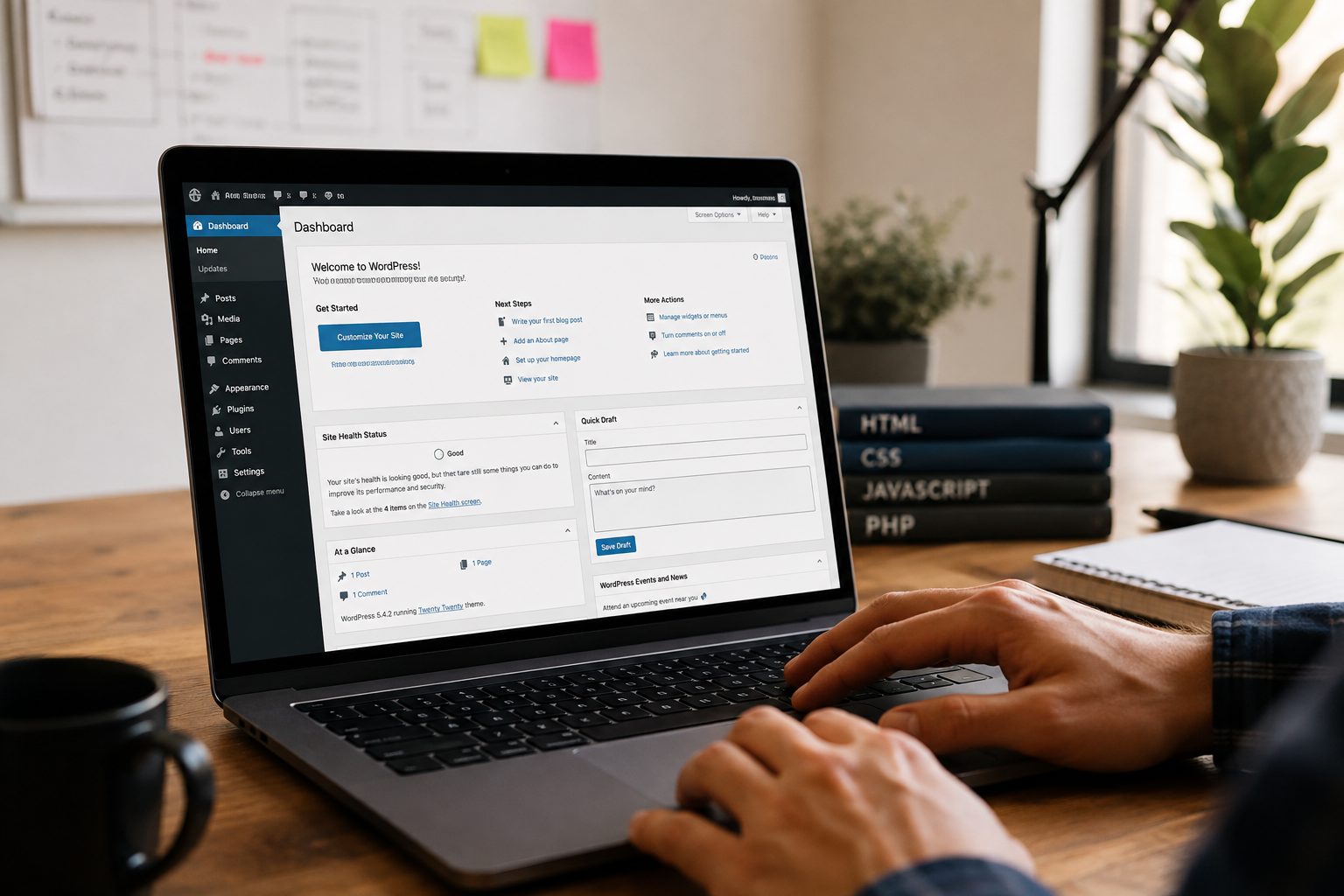
A website should evolve alongside the practice. As new projects are completed, awards are earned, and services develop, updates need to be quick and straightforward. If making changes feels difficult, the site can fall behind and stop reflecting the quality and momentum of the firm.
A well-managed website makes it easy to upload new projects, refresh photography, update team profiles, and refine service pages without creating unnecessary work. This keeps your portfolio current and helps potential clients see your most recent and relevant work, rather than projects from years ago.
If your practice needs reliable help keeping its website accurate and performing at its best, get started to see about our WordPress maintenance service.