Keeping a business website running smoothly takes more than just launching it. Regular maintenance is essential to ensure your site remains secure, fast, and fully functional. But many businesses face a common question should you maintain it yourself or rely on a professional service?
For businesses in the UK, website maintenance is more than just a technical chore. It’s an investment in your digital presence. In this article, we’ll break down what website maintenance actually involves, compare the pros and cons of DIY, and explain why many UK businesses opt for ongoing professional support.
What Does UK Website Maintenance Involve?

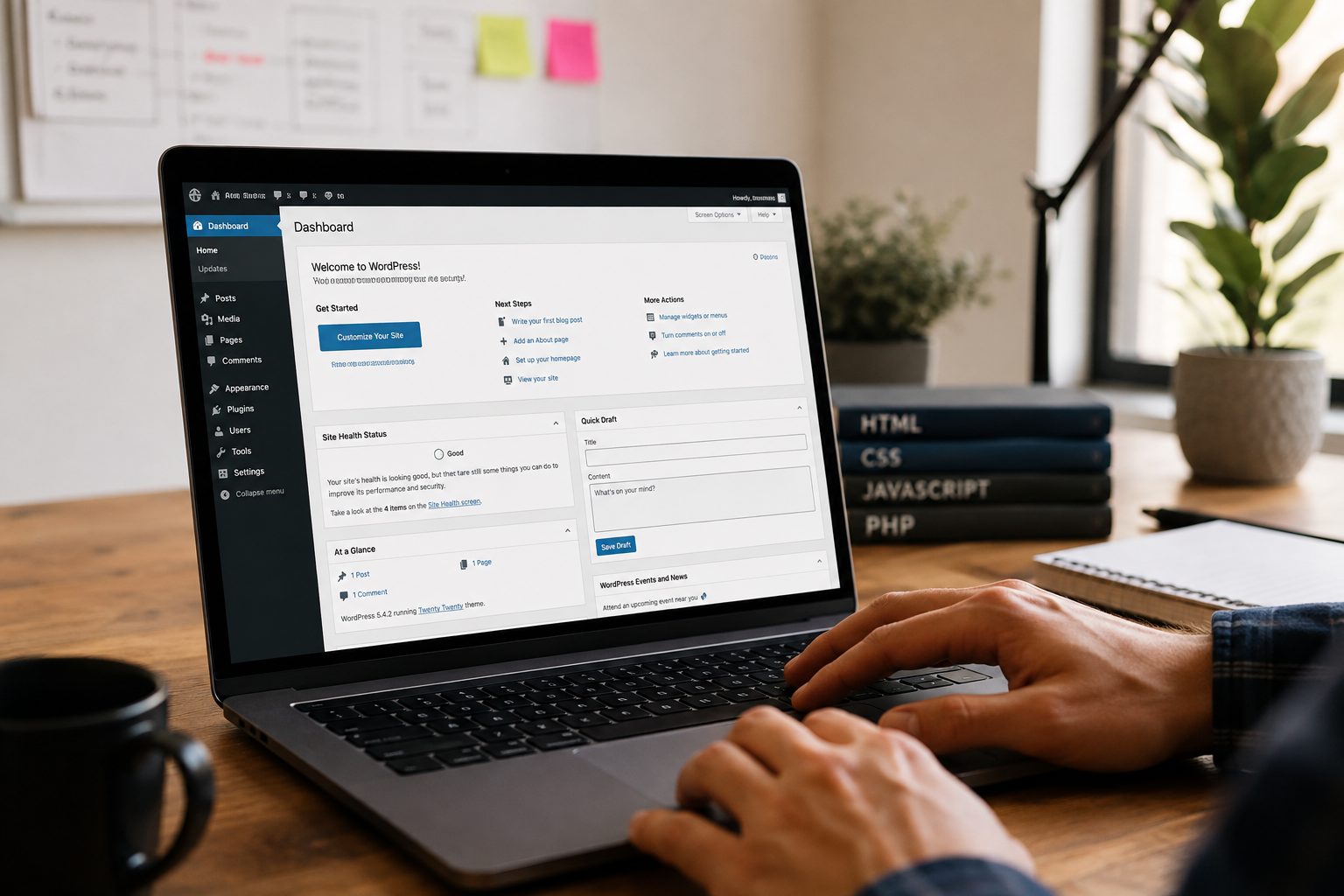
Website maintenance in the UK includes the essential behind-the-scenes work that keeps your site live, compliant, and performing well. This typically means applying security patches, updating software and plugins, running backups, and making sure your content and forms work as expected.
It’s also about prevention. A professionally maintained website is checked regularly for issues before they become serious whether it’s a slow-loading page, an out-of-date plugin, or a minor error that could cause bigger problems down the line.
Many business owners choose to bundle these tasks under a WordPress support service, where everything from updates to performance checks is managed by a dedicated team.
The Pros and Cons of DIY Website Maintenance
Managing your website yourself might seem cost-effective, especially if you’re comfortable with basic tech tasks. You get complete control, and for small personal sites, that may be enough.
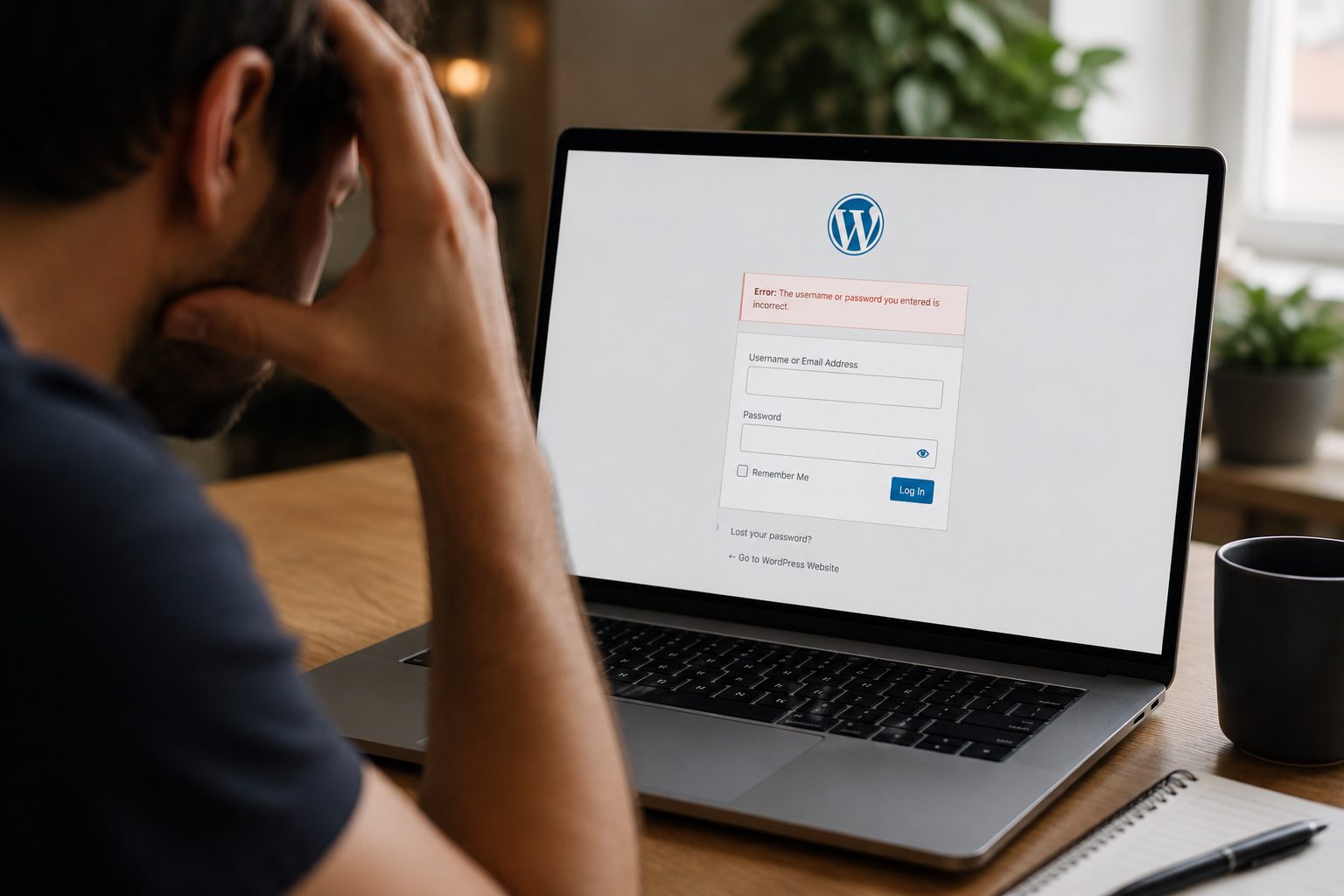
However, for business websites particularly those that generate leads or sales DIY maintenance can quickly become a burden. It takes time to learn best practices, track updates, fix errors, and troubleshoot problems. One small misstep, like updating a plugin without testing, can take down your site or create issues that go unnoticed.
DIY often becomes reactive. Instead of preventing problems, you’re fixing them when they happen usually during work hours or just before an important launch. And if you don’t have backups or know how to roll back changes, recovery can be slow and expensive.
Why Businesses Choose UK Professional Website Maintenance Services

Professional maintenance providers offer consistency, expertise, and peace of mind. Instead of trying to manage dozens of small technical tasks on your own, you have a team making sure everything’s up to date, secure, and working properly.
This includes not just updates, but full monitoring, security scans, and performance checks. If something does go wrong, help is already in place. For UK businesses, it’s also helpful to have support in the same time zone meaning quicker communication and a better understanding of local data and compliance needs.
Professional services are proactive. You avoid downtime, stay ahead of vulnerabilities, and get advice on improvements that might otherwise be overlooked.
Cost Comparison: DIY vs. Professional Maintenance
At first glance, DIY might seem cheaper but when you factor in the time it takes to manage updates, research errors, and apply fixes, the real cost becomes clearer.
Professional website maintenance services in the UK are usually priced monthly. This covers ongoing care, backups, troubleshooting, and support when needed. While this is a recurring expense, it replaces the need to hire emergency developers when something breaks or to spend hours fixing issues yourself.
Think of it this way: DIY costs less if nothing goes wrong but when it does, the cost (in time, revenue, or reputation) can be far higher than a maintenance fee.
Which Option is Best for Small and Growing Businesses?

For very small businesses or personal sites with little functionality, DIY might be manageable in the early stages. But as your business grows and your site becomes more important, maintenance demands increase.
If your website helps you generate leads, process sales, or communicate with clients, it needs to run smoothly at all times. Delays caused by tech issues, security breaches, or slow load times can directly affect your bottom line.
Small businesses benefit from professional maintenance because it frees up time and adds a layer of reliability. You’re not relying on chance you’ve got a team making sure your site is performing exactly as it should.
Key Features to Look for in a Website Maintenance Provider
When choosing a maintenance partner, look for more than just someone who “does updates.” The best providers offer a complete solution not only updating your site but actively protecting and improving it over time.
You should expect regular backups, security monitoring, uptime checks, and quick responses to support queries. Look for a clear scope of work, transparent pricing, and the option to scale services as your site grows.
Ideally, your provider understands your platform, whether it’s WordPress, WooCommerce, or another CMS. For businesses in the UK, having a local provider also helps ensure GDPR compliance and faster communication.
Managing your own website may work for a while, but it’s rarely sustainable especially if you’re growing or relying on your site to support your business. Professional website maintenance services based in the UK help protect your investment, reduce stress, and free up your time.
If you’re ready to stop worrying about updates, speed issues, or site errors, get started with Fly High Web’s expert website maintenance designed for UK businesses.