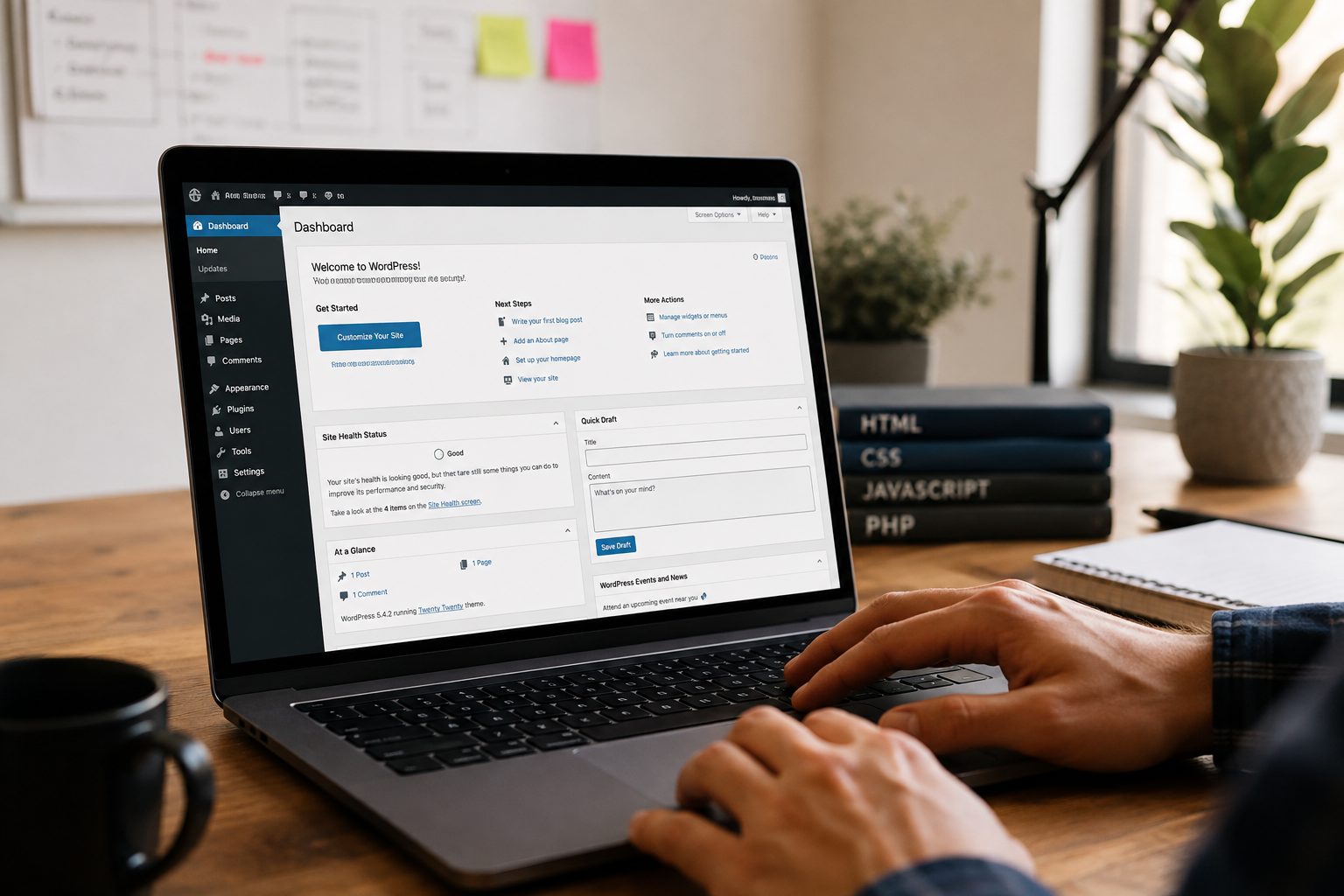
A high-performing website is the result of consistent care, not luck. Over time, even well-built sites can slow down, fall out of step with your goals or develop small issues that quietly affect user experience.
Regular maintenance keeps everything running as it should, protects visitors, and helps your site continue supporting the growth of your business.
Whether you manage updates in-house or rely on professional support through WordPress maintenance services, these practical tips highlight the key areas that keep a website reliable, secure and easy to use all year round.
1. Review Your Site’s Core Setup Regularly

A fresh review helps you see your site as visitors do. Over time, pages can become cluttered or lose clarity as new features are added. Designs that once looked sharp may start to feel dated, and older content can slip out of alignment with your goals. By checking your structure, layout, navigation and overall presentation, you can adjust early and prevent small issues turning into frustrations for your audience.
A simple walkthrough of your homepage, service pages and contact routes often reveals more than expected. The aim is to spot anything that slows people down or makes the site feel inconsistent.
2. Keep Software, Themes and Plugins Updated
Software updates are essential for stability. They often include repairs that fix minor flaws before they become bigger problems. When updates are ignored, parts of your site can fall out of sync, causing delays or unexpected behaviour.
Keeping everything current helps each component interact properly. This keeps your site feeling smooth for visitors and reduces the chance of sudden faults. A regular updating routine is one of the simplest ways to keep your setup in strong condition.
3. Back Up Your Website on a Reliable Schedule
Backups act as your safety blanket if something goes wrong. A single mistake or technical fault shouldn’t put your entire site at risk. With steady backups in place, you always have a recent version to return to.
The peace of mind this brings can’t be overstated. Whether you’re adjusting layouts, refining text or adding new features, a dependable backup means you can work without stress, knowing your content and data are protected.
4. Monitor Site Speed and Tidy Up Anything Slowing It Down
Speed plays a huge part in how visitors respond to your site. When pages load quickly, people continue exploring. When they stall, attention slips immediately. Many slowdowns are caused by large images, unused plugins or scripts that have piled up over time.
A careful clean-up can have an immediate effect. Compressing images, removing tools you no longer use and refining how your site loads elements all contribute to a smoother experience. This often leads to longer visits and better engagement from the moment someone arrives.
5. Fix Broken Links Before They Affect Visitors

Broken links interrupt your flow and create a sense that the site isn’t cared for. They can appear for all kinds of reasons: page changes, content updates or small structural tweaks. Left unchecked, they cause frustration and can even affect how search engines view your site.
Regular checks give you a chance to correct them quickly. When every link leads exactly where it should, visitors feel more confident and the entire site feels more polished.
6. Refresh Key Pages With Up-to-Date Information
Your business develops throughout the year, and your website needs to reflect those changes. If your service details, case studies or pricing stay frozen for too long, they stop representing what you actually offer.
By updating these pages, you make your message clearer and more relevant. Even subtle changes, adjusted wording, new examples or improved explanations, can make your site feel sharper and more engaging. Visitors appreciate content that feels current rather than static.
7. Look for Security Gaps and Patch Them Quickly
Security issues often creep in quietly. Old plugins, unused accounts, weak passwords or outdated server settings can open small cracks that put your site at risk. The longer these gaps stay in place, the more vulnerable your site becomes.
Regular checks help you catch these weaknesses early. Tightening your setup, reviewing access levels and removing anything you no longer use all contribute to a safer environment for your visitors and your data.
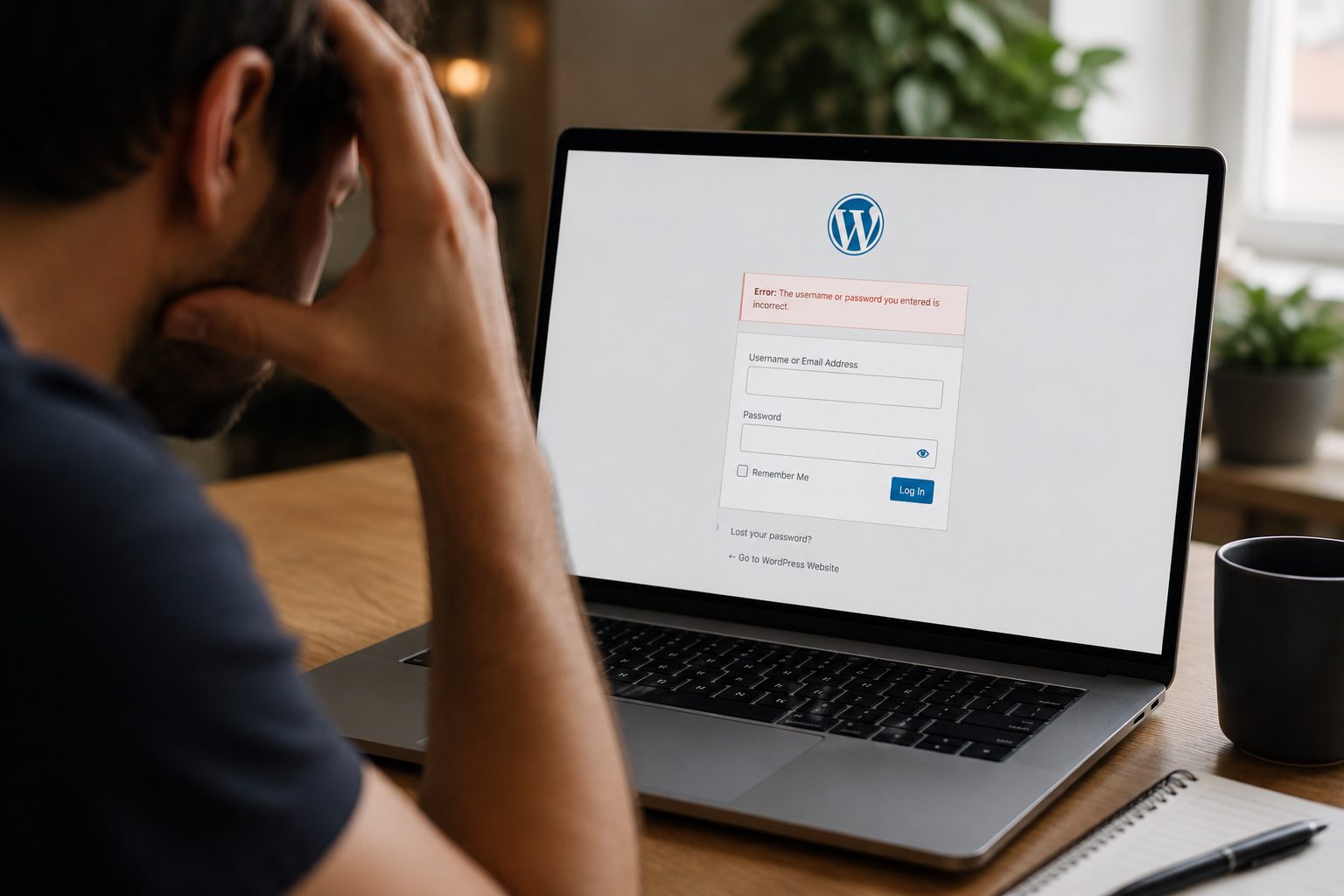
8. Check Forms, Checkout Steps and Logins Work Properly
Forms and login features are easy to overlook because they often sit quietly in the background. But if they fail, your visitors can’t send enquiries, complete orders or access their accounts. Even a small fault here can have a noticeable impact.
Testing these areas yourself helps you spot issues before users do. Walk through the checkout as if you were a customer. Submit your own contact form. Try logging in from a different device. These small tests highlight problems far sooner than waiting for reports from visitors.
9. Review Analytics for Any Sudden Drops or Spikes
Analytics show the patterns you may not see by eye. Sudden drops in traffic or engagement often point to technical faults or content that no longer resonates. Quick spikes may signal unusual activity that needs attention.
By checking your data regularly, you stay aware of how people interact with your site. This helps you catch problems early, understand visitor behaviour and plan improvements that genuinely match what your audience wants.
10. Consider Support From a Website Maintenance Agency
Maintaining a site takes time, effort and a steady watchful eye. When you have a growing business to run, these tasks can slip down the list even though they matter deeply to performance.
Support from a website maintenance agency ensures your site receives ongoing care, structured monitoring and expert attention. This keeps everything running smoothly and frees you to focus on your wider goals without worrying about technical upkeep.
A smooth-running site is built on consistent care across many small areas. When your pages load quickly, your tools stay updated, your content feels fresh and your security remains tight, visitors enjoy a far more reliable experience. With a steady routine or the support of a dedicated team you can keep your site in strong shape all year round.
If you’re ready for help with your ongoing maintenance, you can get started with Fly High Web.